
How Americans Can Safely Gamble Online Using Canadian Payment Methods: A 2026 Guide
How Americans Can Safely Gamble Online Using Canadian Payment Methods: A 2026 Guide
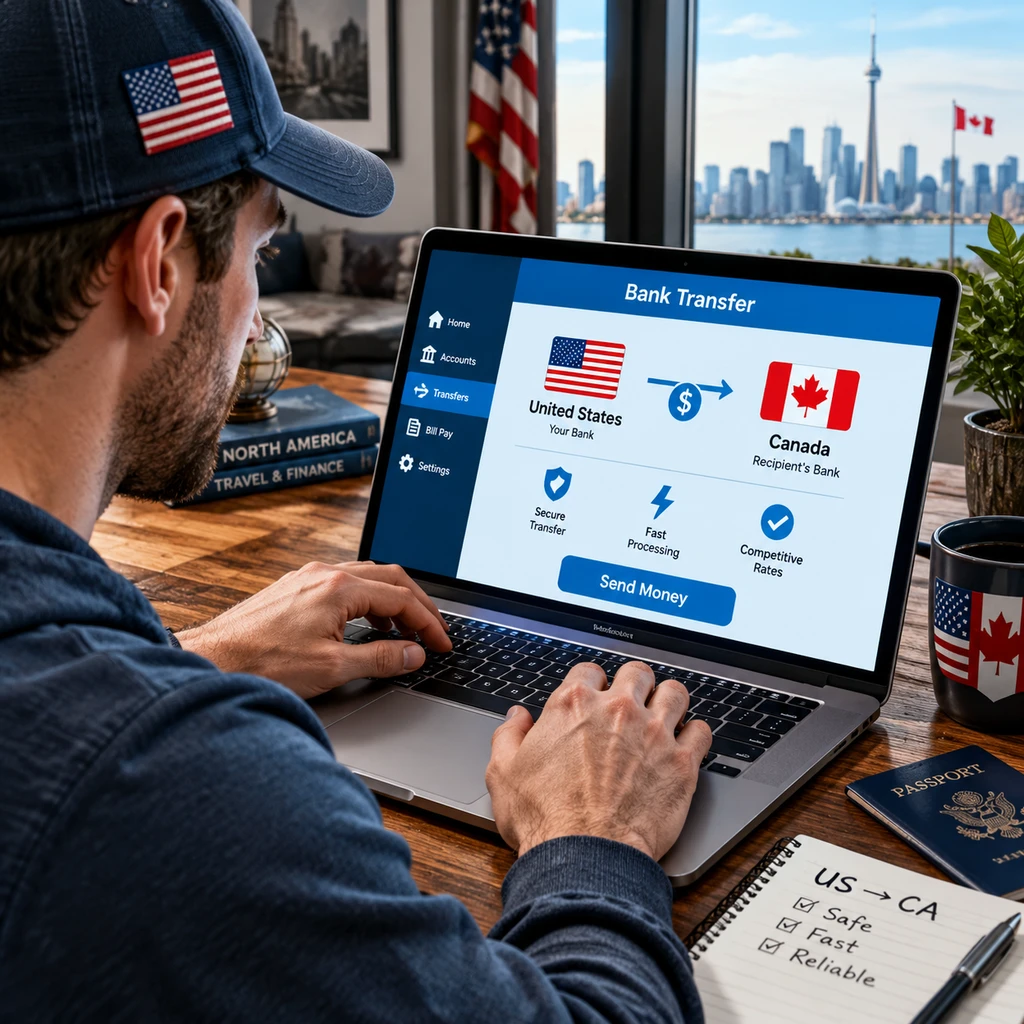
I've spent a lot of time this past year poking around cross-border payment systems — mostly out of curiosity, honestly — and one thing keeps showing up in my research no matter where I look: American players are getting genuinely curious about Interac, Canada's homegrown bank transfer system. It's not something most U.S. residents grew up with. Nobody north of the border really explains it to outsiders either. But it's quietly become a favorite among online gamblers who want faster, safer transactions than a lot of domestic platforms can actually deliver. This guide walks through what Interac is, why it's catching on south of the border, and how to use it responsibly if you're exploring international gaming sites in 2026.
Understanding Interac: Canada's Trusted Payment System
Interac isn't a credit card network. It's not a crypto wallet either. It's a real-time bank-to-bank transfer system that's been running in Canada since the 1980s — long enough that most Canadians don't even think twice before using it. They use it for splitting dinner bills, paying rent, whatever. The e-Transfer version lets you send money straight from your bank account to someone else almost instantly, using just an email address or phone number as the identifier. No card data involved, sensitive or otherwise.
What makes this interesting for online gambling specifically is the verification layer underneath it. Every transaction runs through the sending bank's own security protocols, which means the casino or platform on the receiving end never actually sees your account number. That's a meaningfully different trust model than what most Americans are used to, and once you understand it, it's hard not to notice how exposed traditional methods leave you by comparison.
Why Interac Differs from Standard U.S. Payment Methods
If you've ever used a credit card at a U.S.-facing gambling site, you know the drill — card number, CVV, expiration date, then crossing your fingers the transaction doesn't get flagged or declined by your bank's risk algorithms. ACH transfers aren't much better. They can take two to five business days to clear and still require handing over routing and account numbers to a third party you've probably never heard of.
Interac flips that whole model. Because it's authenticated directly through your bank's own login portal, there's no card number sitting around in some casino's payment processor database. Fraud exposure drops significantly. And the funds move almost as fast as a wire transfer, minus the wire transfer fees that always seem to sneak up on you.
Why American Players Are Exploring International Gaming Sites
The U.S. online gambling landscape is still a patchwork, and that's being generous. Depending on which state you're in, you might have access to a handful of regulated operators — or you might have none at all. Even in states with legal online casinos, game libraries are often thinner than what's available internationally, and withdrawal processing can drag anywhere from three to ten business days depending on the method you've picked.
That slowness, plus the limited selection, is exactly why some players start looking past U.S. borders. Canadian-licensed and internationally regulated platforms tend to offer broader game catalogs, sharper bonus structures, and — thanks to systems like Interac — noticeably quicker payout turnaround. It's not about dodging regulation, to be clear. It's about finding platforms that treat player funds and player time with a bit more respect.
How U.S. Players Can Access Interac-Friendly Casinos
Here's the part that trips people up: Interac is built for Canadian bank accounts, and most Americans don't have one. So how does this actually work in practice? The common route runs through licensed intermediary e-wallets or dual-currency accounts — ones that support Interac deposits on one side and USD withdrawals on the other. Some fintech services now offer multi-currency accounts built specifically for cross-border users, letting you fund an Interac-compatible balance without ever opening a traditional Canadian bank account.
Before committing to any platform, it pays to do your homework first. For players trying to vet legitimacy, resources like this breakdown of casinos that accept interac help identify operators with verified licensing, fast deposit processing, and secure withdrawal track records in 2026. I'd treat a resource like that as a starting point rather than gospel, though — always cross-check licensing claims independently. I think that's just good practice no matter what the source says.
Verifying Licensing and Jurisdiction Before Signing Up
Not all offshore licenses are created equal. Kahnawake Gaming Commission, Malta Gaming Authority, and Curacao eGaming are the three you'll see most often tied to Interac-friendly casinos. Kahnawake and Malta tend to have stronger dispute resolution frameworks and clearer fund segregation rules — which matters a lot if something ever goes wrong with a withdrawal. Curacao-licensed sites can still be legitimate, but the oversight has historically been lighter, so I'd personally spend extra time reading player reviews before depositing anything meaningful there.
Making a Cross-Border Deposit Step-by-Step
The actual process is less complicated than people expect, once you understand the pieces. First, you create an account on the gaming platform and complete basic identity verification — name, address, date of birth, the usual. Next, you link an eligible funding source, which in most cases means setting up or connecting a multi-currency e-wallet that supports Interac on the deposit side. From there, you confirm the currency conversion rate being offered (since you're moving CAD into a USD-denominated account), and finally you complete the transaction. Typically it clears within minutes, not days.
Understanding Deposit Limits, Fees, and Conversion Rates
Most Interac-enabled casinos set minimum deposits somewhere between $10 and $20 CAD. Maximums vary widely by platform — some cap single transactions at $1,000 CAD, others let you push through several thousand. Currency conversion is where players often lose track of actual value; exchange rates fluctuate daily, and some intermediary services tack on a small spread (often 1-3%) on top of the market rate. Processing fees themselves are usually minimal or waived entirely, but it's worth checking the fine print — fee structures vary a surprising amount between e-wallet providers.
Secure Withdrawal Options and Processing Times
This is honestly where Interac shines compared to traditional U.S. banking rails. While a standard bank wire withdrawal from a gambling site can take three to seven business days, Interac-based withdrawals often process same-day or within 24 hours once approved. Fast. Really fast, by comparison.
The catch is that 'once approved' part. Casinos will still require standard KYC documentation before releasing funds — typically a government-issued photo ID, a utility bill or bank statement for proof of address, and sometimes a selfie verification step. Getting this documentation submitted early, ideally right after you create the account, saves you from delays later when you actually want to cash out. I've seen this trip up more players than you'd think.
Staying Safe — Common Mistakes to Avoid
- Chasing unrealistic bonuses: If a site promises a 500% deposit match with no wagering requirements, that's a red flag, not a jackpot.
- Sharing banking credentials outside official portals: Legitimate Interac transactions only ever ask for authentication through your actual bank's login page — never through a third-party form embedded on a casino site.
- Skipping withdrawal reviews: Before depositing a large sum, search for recent player experiences specifically about cashing out, not just about bonuses or game selection.
- Ignoring licensing gaps: If a casino can't clearly state its licensing jurisdiction on its homepage or footer, that's usually a sign to walk away.
Frequently Asked Questions
Can U.S. players legally use Interac? There's no U.S. law prohibiting an American from using a Canadian payment system through a compliant intermediary account. The legality of the gambling activity itself still depends on your state's specific regulations, so it's worth understanding your local laws before playing anything.
Is my money protected? Funds routed through Interac benefit from Canadian banking-level security, but protection ultimately depends on the licensing jurisdiction of the casino itself. Kahnawake and Malta-licensed sites generally offer stronger player fund segregation rules than lightly regulated operators do.
What happens if a casino delays a withdrawal? Reputable licensed operators have formal dispute resolution channels tied to their regulatory body. If a withdrawal gets stalled beyond stated processing times, filing a complaint with the licensing authority is usually the next move.
How do I convert CAD winnings to USD? Most multi-currency e-wallets handle the conversion automatically at the prevailing exchange rate when you transfer funds to your USD balance or linked U.S. bank account — though it's smart to check the applied rate before confirming any large transfer. Rates shift fast, and a few points can matter more than people expect.
